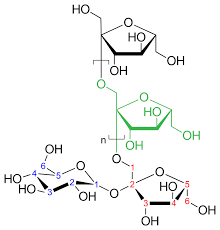
Within modern health-conscious societies, identifying effective nutritional methods to nourish the body and optimize overall wellness remains a primary objective. Consequently, botanical resources are frequently evaluated for profound health solutions. A prominent example drawing significant scientific and nutritional attention in recent years is inulin—a remarkable dietary fiber associated with extensive physiological benefits. This comprehensive analysis explores the fundamental origins, health advantages, and dietary applications of inulin in detail.
Unveiling Inulin – Defining the Compound
Inulin functions as a naturally occurring carbohydrate classified strictly as a fructan. It represents a specialized form of soluble dietary fiber located predominantly within the underground roots and rhizomes of diverse botanical species. Although distributed across numerous plant variations, primary natural concentrations exist within chicory root, dandelion root, Jerusalem artichokes, and agave.
In its native form, inulin manifests as a tasteless, colorless, and odorless powder, serving as an exceptional additive for commercial food products without modifying baseline flavor profiles or visual presentations. Its distinctive chemical architecture—comprising multiple fructose units linked via beta-2,1 glycosidic bonds—distinguishes it structurally from standard dietary fibers.
The Integral Role of Inulin in Gastrointestinal Health
The most extensively documented and celebrated advantage of inulin centers upon its profound influence on gastrointestinal health. Operating primarily as a functional prebiotic fiber, it provides essential nourishment to fuel the beneficial bacterial colonies inhabiting the human digestive tract, especially within the colon. The specific mechanisms governing this digestive enhancement include:
2.1. Cultivating a Balanced Microbial Ecosystem
Inulin’s primary biological function involves stimulating the proliferation and metabolic activity of specialized probiotic microorganisms, including bifidobacteria and lactobacilli. By supplying these beneficial bacteria with precise nutrient sustenance, inulin helps maintain optimal equilibrium across the human gut microbiome.
2.2. Optimizing Bowel Regularity
Regular consumption of inulin supports improved bowel transit efficiency by increasing stool softness and mitigating acute constipation risks. Its subsequent fermentation within the colon yields short-chain fatty acids (SCFAs), which actively nourish the intestinal epithelial lining and promote robust digestive performance.
2.3. Mitigating Gastrointestinal Discomfort
Clinical observations indicate that inulin assists in moderating symptoms associated with irritable bowel syndrome (IBS). It demonstrates potential in minimizing abdominal bloating, excessive flatulence, and general visceral discomfort in individuals possessing sensitive digestive frameworks.
2.4. Reinforcing Systemic Immune Response
A structurally balanced gut microbiome plays a fundamental role in maintaining dynamic immune system proficiency. By properly supporting beneficial microflora populations, inulin exerts an indirect, supportive effect on systemic immune resilience, helping optimize overall host defense mechanisms.
Inulin and Blood Glucose Modulation
Emerging metabolic research highlights inulin’s promising impact on glycemic regulation, generating significant clinical interest regarding diabetes management and preventive metabolic care. Key physiological interactions include:
3.1. Regulating Intestinal Glucose Uptake
Inulin actively decelerates the rate of glucose absorption within the proximal small intestine. This delayed uptake promotes stable postprandial blood sugar levels, effectively preventing sharp glycemic spikes and subsequent reactive crashes.
3.2. Enhancing Insulin Utilization
Clinical studies suggest that consistent daily inulin intake can enhance peripheral insulin sensitivity, serving as a vital component in glucose management strategies. Optimized insulin sensitivity allows systemic tissues to process available circulating insulin more efficiently.
3.3. Supporting Metabolic Weight Control
Maintaining balanced blood sugar parameters directly supports advanced appetite modulation. Inulin’s inherent satiating properties assist individuals in experiencing prolonged fullness, which can naturally reduce daily caloric consumption and aid weight management objectives.
Cardiovascular Health and Inulin Integration
Beyond its established impacts on gastrointestinal and metabolic stability, inulin correlates with notable cardiovascular advantages, underscoring its broad therapeutic value:
4.1. Lowering Low-Density Lipoprotein Cholesterol
Clinical investigations demonstrate that regular inulin consumption can prompt measurable reductions in low-density lipoprotein (LDL) cholesterol concentrations, commonly designated as “bad” cholesterol. Depressed LDL metrics correlate strongly with diminished long-term coronary heart disease risks.
4.2. Supporting Vascular Pressure Stability
Research continues to evaluate inulin’s capacity to assist in blood pressure management. By promoting optimal endothelial vascular function and helping mitigate hypertension, it contributes significantly to overall cardiovascular protection.
The Culinary and Industrial Versatility of Inulin
Inulin’s neutral sensory profile and structural adaptability render it exceptionally versatile across culinary applications. Food technologists and home culinary practitioners leverage this prebiotic fiber across diverse formulations:
5.1. Serving as a Low-Calorie Sweetener
Inulin possesses a mild natural sweetness, enabling its deployment as a functional alternative to refined sugars. It sweetens beverages, baked products, and savory formulations effectively without introducing the excess caloric load associated with simple sugars.
5.2. Replicating Creamy Textures in Plant-Based Foods
Within plant-based dairy substitutes—including alternative milks and yogurts—inulin is frequently integrated to establish a smooth, indulgent mouthfeel that closely mirrors traditional dairy products.
5.3. Improving Gluten-Free Formulation Quality
For individuals adhering strictly to gluten-free dietary regimens, inulin serves as a valuable functional ingredient. It enhances structural crumb texture and moisture retention, producing gluten-free baked products that maintain exceptional taste and quality.
Inulin Supplementation and Dosing Guidelines
Although inulin occurs naturally across multiple plant foods, specialized dietary supplements offer a dependable alternative to meet targeted nutritional requirements. Available formats include fine powders, capsules, and concentrated syrups. Safe and effective implementation requires adherence to specific consumption guidelines.
6.1. Establishing Optimal Daily Dosages
Appropriate inulin dosing varies based on personal nutritional objectives and gastrointestinal tolerance levels. Clinical recommendations typically advise initiating supplementation at minimal doses and titrating upward gradually to prevent acute digestive irritation.
6.2. Recognizing Temporary Side Effects
While generally recognized as safe and well-tolerated, rapid inulin introduction can provoke transient digestive symptoms, including mild flatulence or abdominal distension. These minor effects typically subside as the resident gut microbiome adapts.
Inulin and Comprehensive Weight Management
Body weight regulation remains a prominent focus in contemporary health discussions, and inulin supplementation provides distinct biochemical support mechanisms:
7.1. Promoting Appetite Control
Inulin’s profound satiety-inducing properties help suppress excessive daily caloric intake by fostering sustained feelings of gastric fullness, proving highly advantageous for individuals pursuing targeted weight reduction.
7.2. Enhancing Metabolic Health Through Microflora
A balanced gastrointestinal microbiome correlates directly with superior metabolic efficiency. By fostering beneficial bacterial populations, inulin exerts a favorable indirect influence on systemic metabolic parameters.
The Potential Role of Inulin in Bone Health
Recent scientific inquiries have begun examining the correlation between inulin consumption and skeletal integrity. Although expanded clinical trials remain necessary, preliminary findings strongly associate regular inulin intake with enhanced mineral absorption, supporting optimal bone density and strength.
Primary Natural Dietary Sources of Inulin
Integrating inulin naturally into everyday meal structures is both practical and flavorful. The richest botanical sources available include:
9.1. Chicory Root
Chicory root stands as an extraordinary biological reservoir of inulin, widely utilized as a primary industrial source for commercial inulin extraction and dietary supplementation.
